
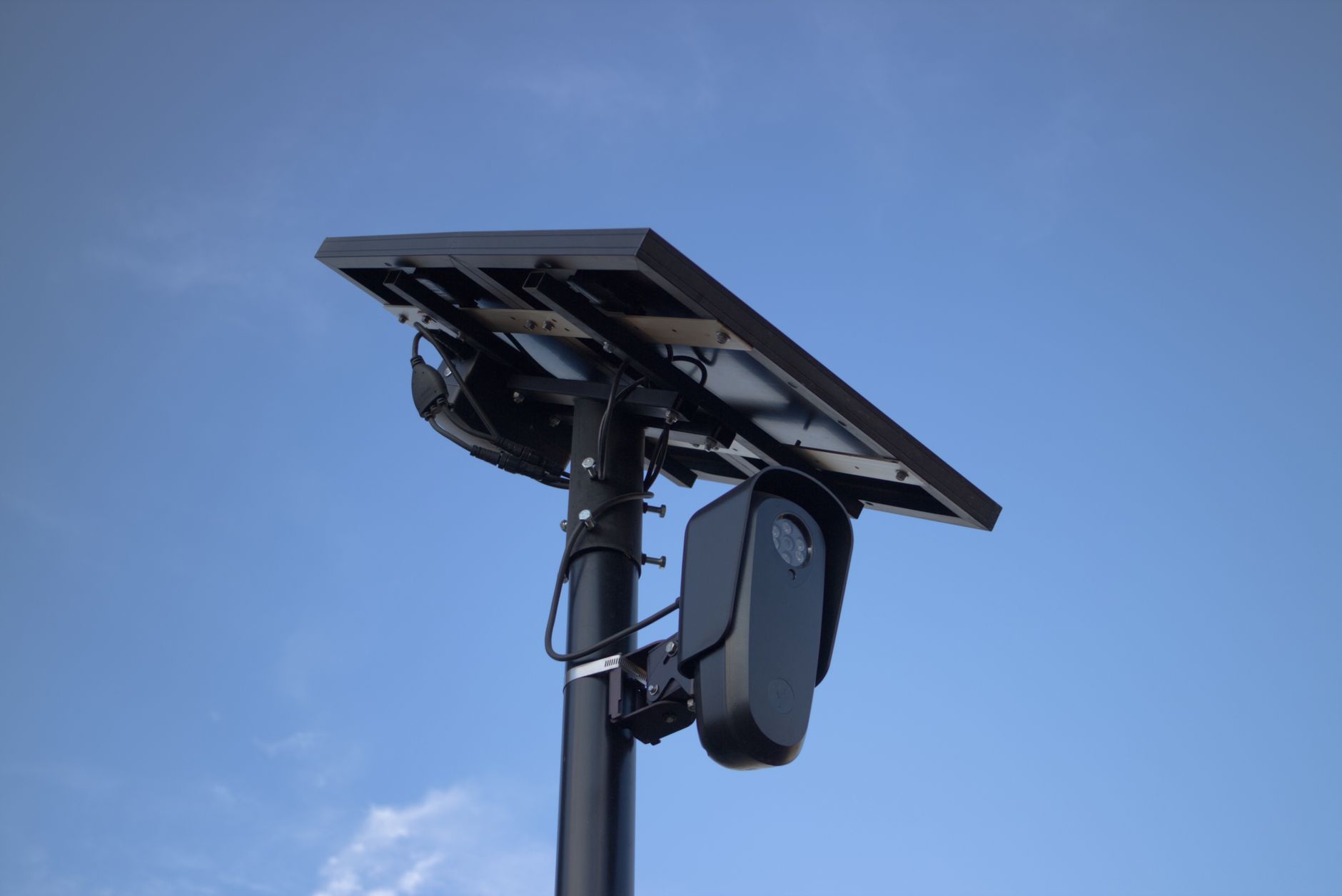
Fort Wayne, Indiana, will not renew funding for its Flock Safety license plate reader network after every member of the City Council voted against the proposal on August 25.
The unanimous decision rejected a proposed $120,250 annual subscription covering approximately 36 automated license plate reader cameras used by the Fort Wayne Police Department.
Police and prosecutors supported continuing the program, arguing that the cameras provided valuable leads in serious criminal investigations. Council members ultimately concluded that those benefits did not resolve concerns about privacy, oversight and public consent.
Bipartisan Opposition
Opposition crossed party lines.
Republican Councilman Paul Ensley said he did not support mass surveillance in Fort Wayne. Republican Councilman Nathan Hartman also concluded that the system amounted to mass surveillance.
Democratic Councilwoman Rohli Booker said residents learned about the extent of the network late in the process. She was also troubled that additional cameras continued to appear while the council was debating whether to renew the contract.
Booker told 21Alive News that residents only learned late in the process that Flock was operating in their community.
Councilman Geoff Paddock had previously supported the technology as a crime-fighting tool. He reconsidered after hearing from residents concerned about the surveillance of people who were not suspected of crimes.
Data-Sharing Concerns
Fort Wayne's own public information page helped explain some of the opposition.
The police department acknowledged that once Fort Wayne granted another law-enforcement agency access to its camera network, that agency could continue searching the city's data until permission was withdrawn.
The department also said it had granted access to law-enforcement agencies within Indiana and within 500 miles of Fort Wayne without requiring those agencies to request it first.
According to the city's Flock technology information page, an outside agency needed only to participate in the Flock network and claim it was searching for a law-enforcement purpose.
That transforms a local camera system into part of a much larger searchable surveillance network.
For many residents, the question was no longer whether a camera could help locate a stolen vehicle. It was whether the government should continuously collect motorists' location information and make it available to agencies hundreds of miles away.
Public Pressure Changed the Outcome
Residents repeatedly opposed the contract during public meetings. The criticism came from conservatives, liberals, civil-liberties advocates and people with no apparent political affiliation.
Speakers raised concerns about unauthorized searches, federal access, mission creep and the absence of meaningful public involvement before the cameras were installed.
WBOI reported that opposition during the August 18 meeting was overwhelmingly bipartisan.
The council postponed its decision more than once while members considered possible safeguards. By August, Councilman Russ Jehl said most constituents contacting him were telling the council either no or not now.
When the final vote was announced, people in the council chamber applauded.
What Happens Next
The police department said it respected the decision but continued to defend license plate readers as useful investigative tools. It also expressed support for legislation governing their future use.
The vote eliminated the proposed funding, but it remained unclear when the cameras would be removed or whether police might return with another proposal.
Some opponents are now seeking an ordinance prohibiting the technology rather than relying on the rejection of a single contract.
That distinction matters. A contract vote stops one proposal. An ordinance could establish lasting rules governing installation, data retention, outside access and future use.
Fort Wayne's decision shows that residents do not have to prove surveillance technology is completely useless before demanding that it be stopped.
A system can help solve crimes and still create unacceptable risks.
The council heard the police department's arguments, considered additional safeguards and listened to residents who did not consent to being enrolled in a searchable surveillance network simply because they drove on a public street.
This time, the public won the argument.
Sources
Primary government record: City of Fort Wayne, City Council Committee and Regular Session, May 12, 2026.
Primary government information: City of Fort Wayne, License Plate Reader Technology Input.
Secondary reporting: Rebecca Green, Fort Wayne City Council rejects Flock camera contract, WBOI, August 25, 2026.
Secondary reporting: Tom Powell, Fort Wayne police, residents react to Flock camera funding vote, 21Alive News, August 25, 2026.
Secondary reporting: Rebecca Green, Flock camera opposition dominate public comment, WBOI, August 19, 2026.